Series · 23 parts
The Engineering Logs
I’m Syed Ahmer Shah. Engineering Logs is where I document the real work behind building software—from architecture and debugging to performance, databases, and the decisions that shape a project. I write about what I build, the problems I run into, the choices I make, and what each project teaches me along the way. Part of Syed Ahmer Shah | Engineering Logs: Design, Sync, Energize.
Parts in this series
 01
The Edge Latency Lie: Solving Global Consistency
Why edge computing fails at data writes. A deep dive into the CAP theorem, distributed consensus, and building resilient global architectures.
9 minFirst on DEV
 02
Top 10 AI Tools Every Frontend Developer Should Know (2026 Guide)
The 10 AI tools frontend developers are actually using in 2026 — with real pricing, honest tradeoffs, and how they fit into a production workflow.
9 minFirst on DEV
 03
Change One Number. Take Everything.
IDOR affects 94% of apps. Learn how changing one URL number exposes millions of records & how to build bulletproof defenses. | Syed Ahmer Shah
9 minFirst on Hashnode
 04
How Databases Work: From Tables to Query Execution
Learn how databases work from fundamentals to optimization. Explore SQL queries, indexing, transactions, & database design with real-world examples.
9 minFirst on Medium
 05
The New Era of Software Engineering
AI coding agents are changing software engineering. Here’s what this means for developer, student, coding skills & the future of software development.
9 minFirst on Medium
 06
The Art of Object-Oriented Programming
Learn object-oriented programming through classes, objects, encapsulation, inheritance, polymorphism, composition, and practical design principles.
11 minFirst on Medium
 07
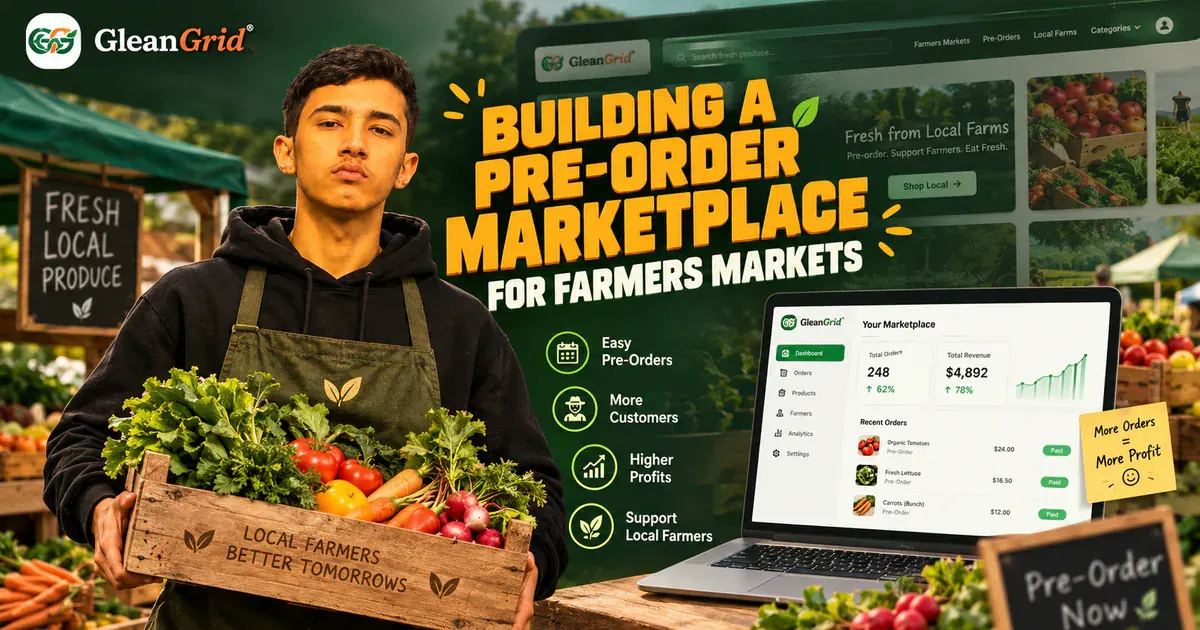
GleanGrid: Building a Pre-Order Marketplace for Farmers Markets
How I designed and built GleanGrid on my own, a Laravel and React marketplace where Hyderabad's farmers publish weekly stock and customers reserve it, pay online or at the stall, and collect it: architecture, data model, payments, security and UX.
15 min
 08
The Last Mango Problem: Race Conditions in a Real Marketplace
What happens when fifty people try to buy the last item, use a single-use coupon or book a nearly full pickup window at the same instant, the MySQL snapshot detail that almost overbooked a stall, and the quieter races that hide in stock forms, restocks and payments.
10 min
 09
BookMyMovie: Building a Cinema Ticketing Platform
The story of BookMyMovie, a cinema booking site I built alone: why buying a ticket in Pakistan is still a hassle, the one rule the whole system is built around, how two people can never end up with the same seat, the back office, the design, and the bugs that slipped through.
20 min
 10
One Seat, Two Buyers: Race Conditions, IDOR and Keys in a Cinema Booking System
How BookMyMovie makes sure one cinema seat is never sold twice, a guessed booking number shows nothing, and a leaked or missing key can't quietly break tickets: row locks, lock order, a NULL-tolerant unique key, status compare-and-set, idempotency, IDOR scoping, HMAC tickets, captcha step-up, and the bugs that still got through.
11 min
 11
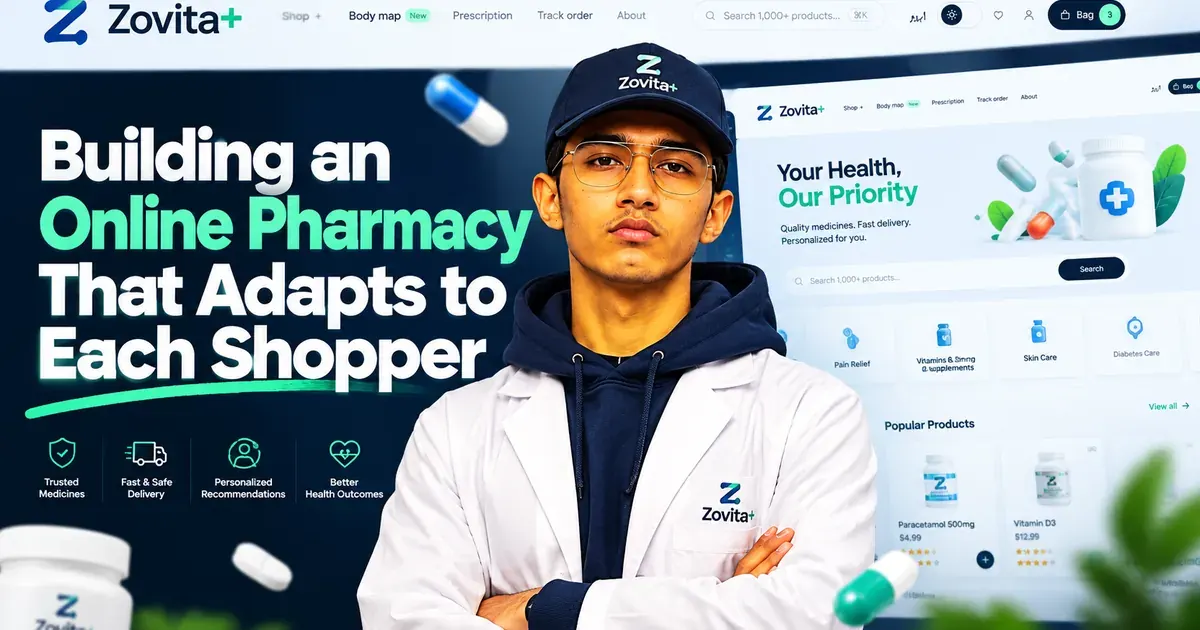
Zovita+: Building an Online Pharmacy That Adapts to Each Shopper
How I rebuilt Zovita+, an online pharmacy with 1,186 real medicines, a 3D symptom body map, personal offers, drug-interaction warnings, refill reminders, pharmacist-reviewed prescriptions, Urdu, and card or cash payments, on Laravel, React and MySQL: stack, data model, checkout locking, payments, admin, security, SEO, testing, what broke and what I'd change.
22 min
 12
The Discount That Knew You Were Hesitating: Rule-Based Personalisation in an Online Pharmacy
How Zovita+ turns browsing into personal discounts without a machine-learning model: one visitor key for guests and customers, interaction counters, six offer rules, one pricing function for the bag and the charge, offers locked and redeemed once at checkout, guest-to-account merging, A/B tests, and the edge cases that shaped it.
10 min
 13
RAG Retrieval Strategies on a 50k-Document Dataset: BM25 vs Dense vs Hybrid
How BM25, dense embeddings and hybrid search (RRF) behave on a 50k-document RAG corpus: working code, honest trade-offs, and when each one actually wins.
11 min
 14
Inside the Database Stack
A senior-engineer walkthrough of the Django ORM and PostgreSQL: N+1 fixes, indexes, EXPLAIN plans, transactions, and when raw SQL is truly worth it.
8 min
 15
HolidayOps: Building a Working Days API for 250 Countries
How I built HolidayOps on my own: a Django and React platform that tells payroll, HR and logistics teams whether any date is a working day in any country, with company calendars, iCal feeds, signed webhooks and a public site that needs no JavaScript.
9 min
 16
The Weekend Is Not a Constant
Why 'is this a working day?' breaks so much software: weekends that differ by country and change over time, holidays that follow the moon, time zones that disagree about today, and the habits that kept my own date logic honest while building HolidayOps.
5 min
 17
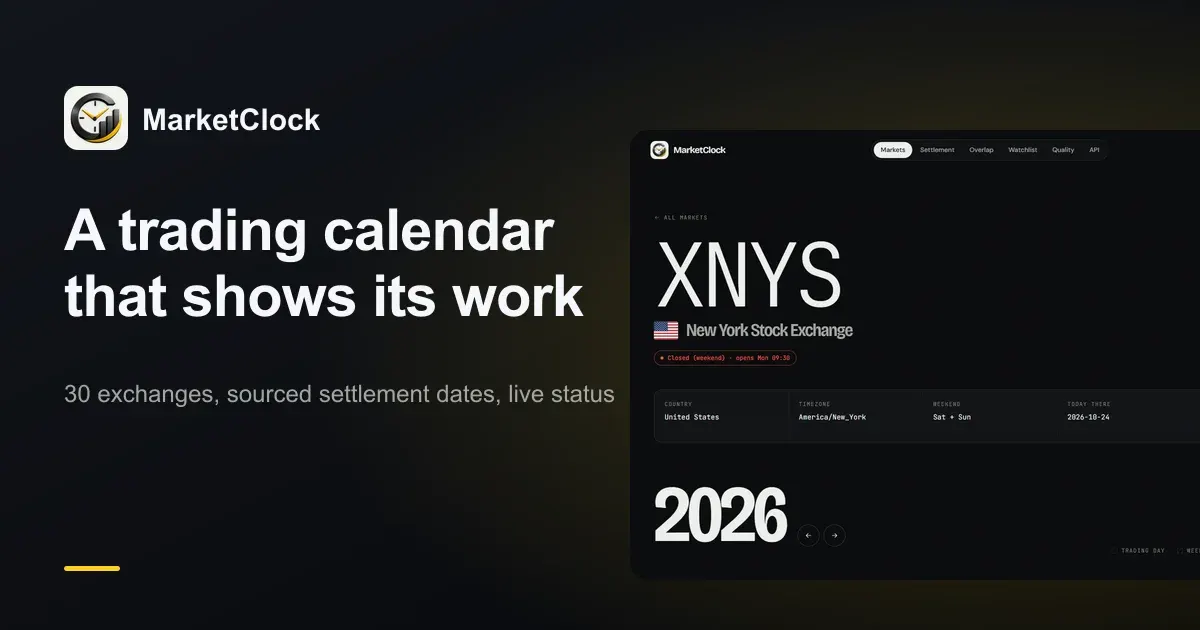
MarketClock: A Trading Calendar That Shows Its Work
How I built MarketClock on my own: a Flask and Next.js app that tells traders and back offices whether 30 stock exchanges are open, when they close early and when a trade settles, and that links every fact it stores to the page it came from.
9 min
 17
Cybersecurity Trends: Protecting Data in the Digital Age
Discover the top cybersecurity trends of 2026, from AI-powered scams to rising breach costs, and simple ways to protect your data.
9 min
 18
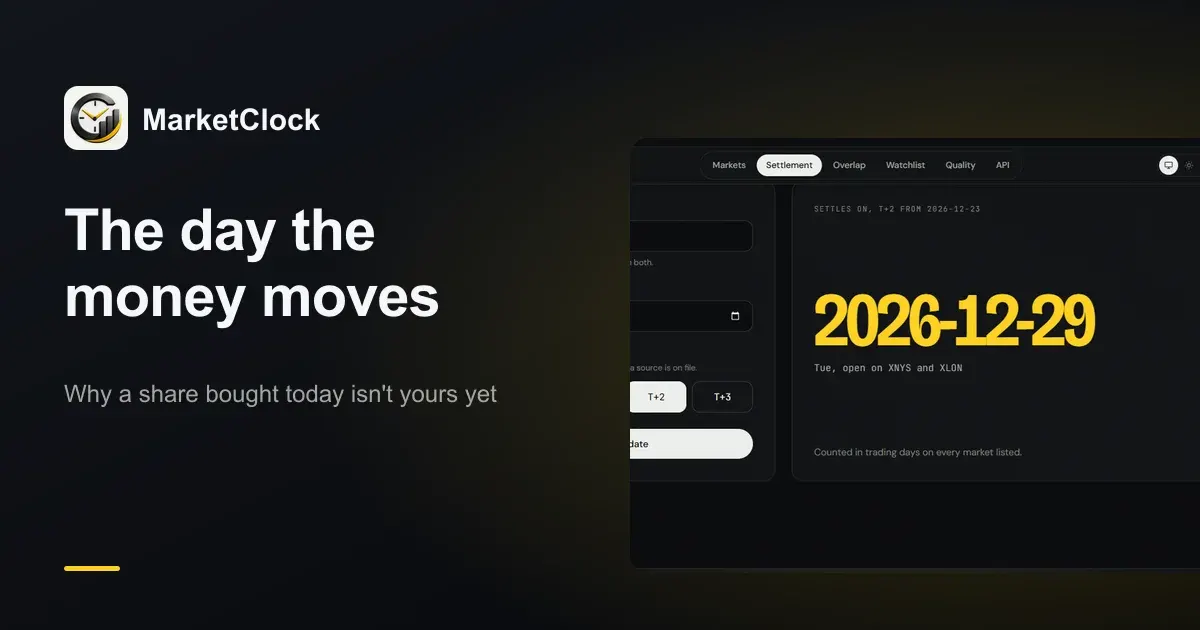
The Day the Money Moves
When you buy a share, you don't own it the moment you click. A plain-language story of trade settlement, T+1 and T+2, why holidays in two countries can push a payment back a day, and what building MarketClock taught me about dates that have a history.
4 min
 19
AIT: Building a University Admissions Portal From Scratch
How I turned what I learned in my XCL Technologies internship into Ahmer Institute of Technology: a university website with applicant, student, teacher, staff and admin portals, safe file uploads, Docker, and 58 end-to-end tests that found real bugs.
8 min
 20
I Invented 14 People to Break My University Website
A plain-language story about testing a university admissions website with fourteen imaginary people, from a careless applicant to a would-be hacker, and the real bugs they found that I never would have.
7 min
 21
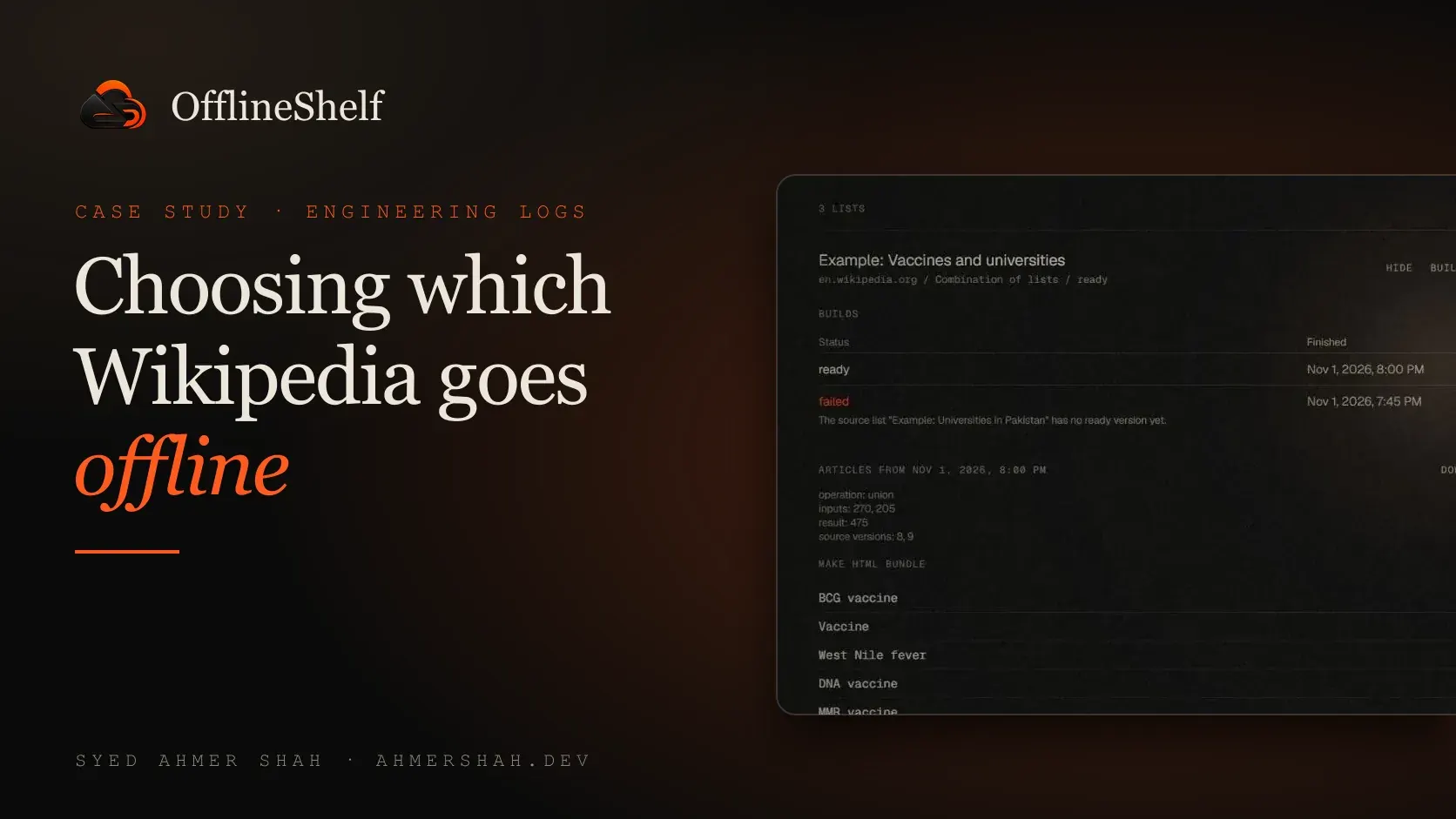
OfflineShelf: Choosing Which Wikipedia Goes Offline
How I built OfflineShelf on my own: a Flask and React app that helps schools, libraries and clinics without reliable internet choose which Wikipedia articles to carry offline, keep that choice up to date, and export it for a USB stick or the Kiwix apps.
11 min
 22
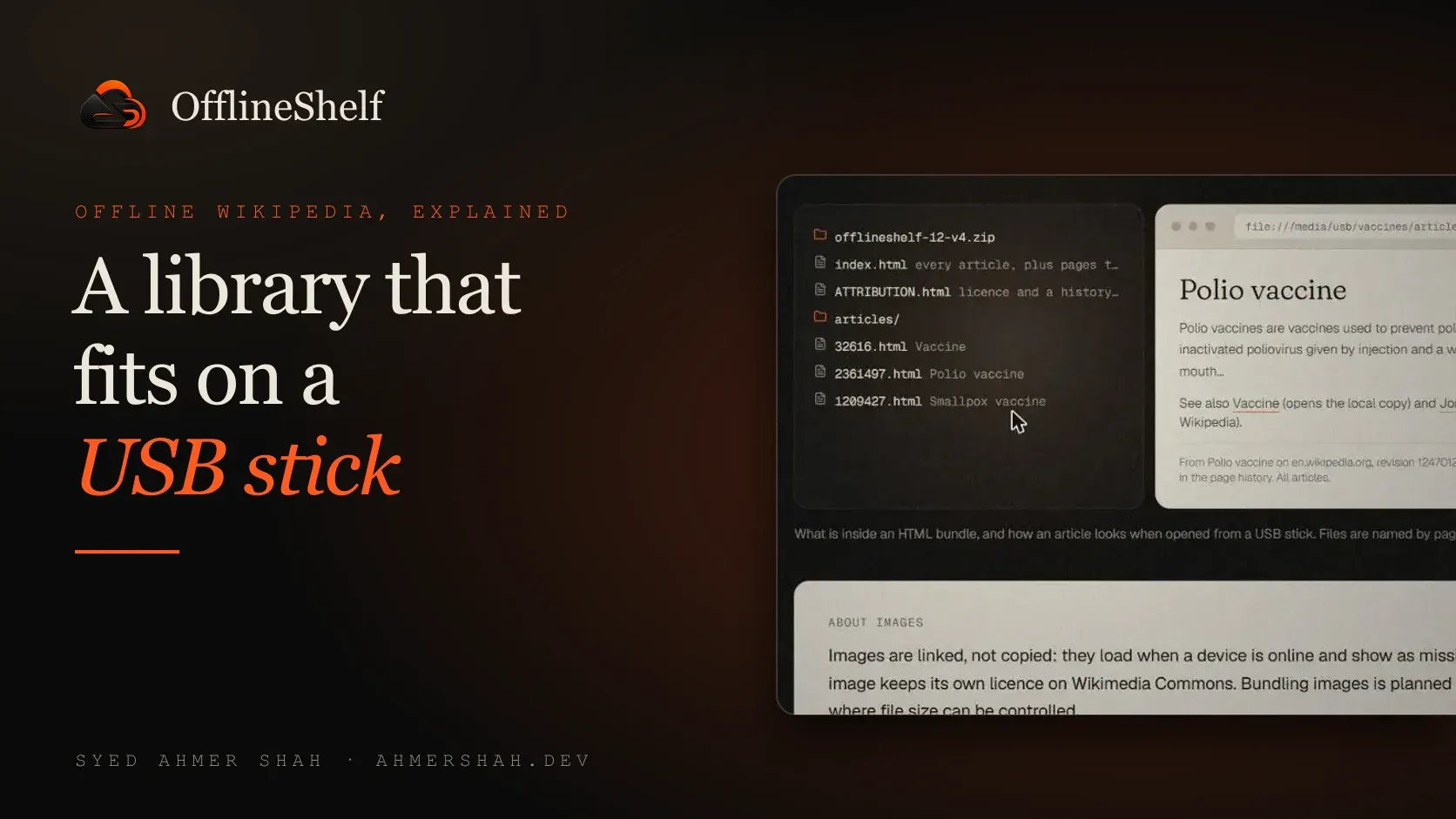
A Library That Fits on a USB Stick
Wikipedia can work with no internet at all. A plain-language story of how offline Wikipedia reaches schools and clinics, why choosing the articles is the hard part, and what building OfflineShelf taught me about lists, change and giving credit.
6 min